Yu-Gi-Oh! Master Duel is heading into another competitive shake-up. With a new Forbidden & Limited List scheduled to take effect on November 5, 2026, choosing a deck is becoming more complicated than simply copying the latest tournament winner. Several established strategies are facing restrictions, while newer archetypes are beginning to find their place in Ranked Duels.
For players looking to climb the ladder, build a reliable competitive deck, or save valuable crafting resources, the timing matters. A deck that performs well today may need a different engine ratio or an entirely new approach in a few days.
Our team has looked at the current Master Duel meta, the upcoming restrictions, and the strategies worth keeping an eye on. Here are the deck lists and building considerations that matter most before the November format arrives.
Master Duel Meta: What Is Changing in November 2026?
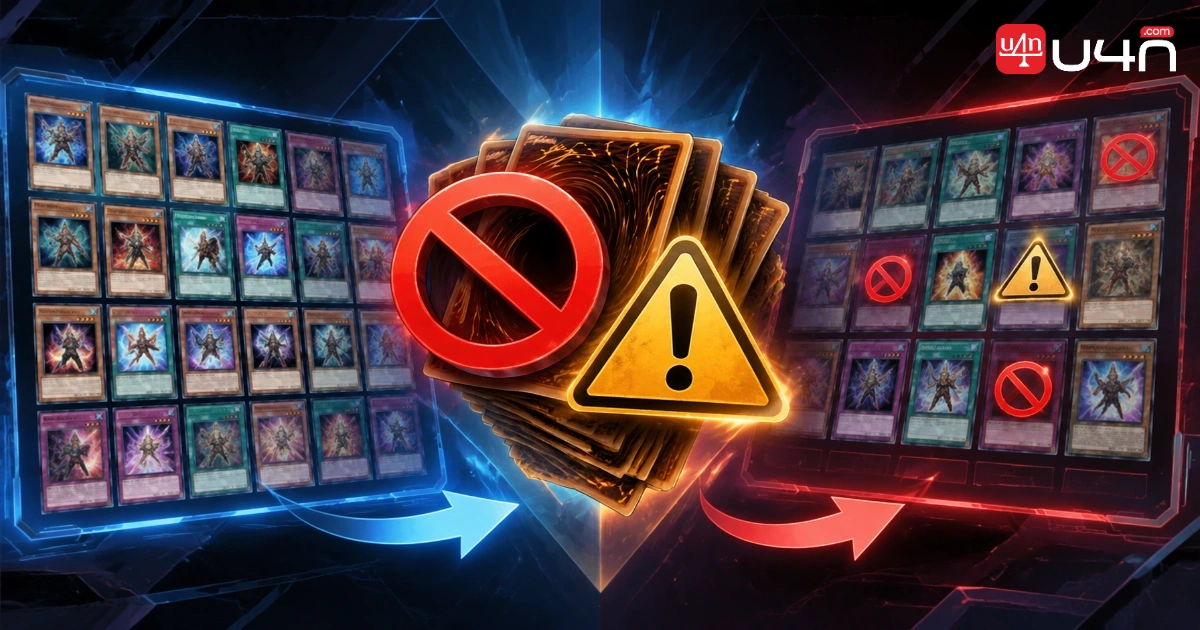
The November 5 update is an important reason to reconsider existing deck builds. The announced Forbidden & Limited List targets several cards used by Elfnote, Kewl Tune, and Dracotail, while also removing some tools associated with restrictive strategies.
Here are the changes players should know:
| Card | Previous Status | November 5 Status |
|---|---|---|
| Elfnote Tinia | 3 | Limited |
| Elfnote Power Patron | 3 | Limited |
| Kewl Tune Reco | 2 | Limited |
| Kewl Tune Mix | 2 | Limited |
| Dracotail Phryxul | 3 | Forbidden |
| Spell Canceller | 3 | Forbidden |
| Protector of the Sanctuary | 3 | Forbidden |
| Go! - D/D/D Divine Zero King Rage | 3 | Forbidden |
| Premature Burial | Forbidden | Limited |
Why These Changes Matter
The biggest concern for Elfnote and Kewl Tune players is consistency. Limiting important engine cards reduces the number of copies available when building opening hands and planning follow-up plays.
Dracotail players face a different problem. Losing Phryxul means certain existing combinations and hybrid strategies need to be reconsidered. It does not automatically make every Dracotail build unusable, but copying an older list without checking its interactions is a mistake.
There is also an interesting opportunity with Premature Burial returning at one copy. Players may find new ways to experiment with revival-based strategies, although its usefulness will depend on the deck and the available interactions.
Our recommendation is simple: distinguish between a deck that is strong under the current rules and one that will remain practical after November 5.
Best Yu-Gi-Oh! Master Duel Deck Lists to Consider
There is no single deck that suits every duelist. Some strategies prioritize consistent opening plays, while others rely on controlling the opponent's resources or creating difficult-to-break boards.
The following decks offer different approaches to the current competitive environment.
Elfnote: Strong Control and Tempo Potential
Elfnote has been one of the major strategies in the current competitive discussion. Its appeal comes from the ability to develop a strong board while maintaining access to additional interactions.
Recommended Deck List priorities:
- Main Deck: Elfnote engine cards, reliable starters, extenders, and hand traps.
- Extra Deck: Essential combo pieces and monsters that support the deck's main lines.
- Tech Cards: Flexible interruptions that help against popular opposing strategies.
Strengths:
- Strong resource development.
- Multiple ways to establish interaction.
- Good potential for players comfortable with complex sequences.
Weaknesses:
- Engine ratios require careful adjustment.
- Important restrictions can make certain opening sequences less forgiving.
- Incorrect resource management can leave limited follow-up options.
November adjustment: Tinia and Power Patron will both be limited to one copy. We recommend testing alternative starter ratios and extension options rather than simply removing extra copies and leaving the remaining deck unchanged.
Kewl Tune: A Strategy That Needs Careful Rebuilding
Kewl Tune is another deck directly affected by the upcoming list. Reco and Mix will both be limited to one, making their roles in the engine especially important.
Recommended Deck List priorities:
- Main Deck: Preserve access to essential Kewl Tune starters and search effects.
- Extra Deck: Prioritize the monsters required for the deck's main interaction routes.
- Tech Cards: Keep enough defensive cards to avoid becoming overly dependent on uninterrupted combos.
Strengths:
- Flexible interactions.
- Potential to adapt to different board situations.
- Interesting combinations with compatible engines.
Weaknesses:
- Reduced access to important engine cards.
- More pressure on opening-hand quality.
- Existing ratios may no longer be optimal.
We would not recommend blindly investing in an old Kewl Tune list right before the update. Test the post-banlist version first and see whether the deck still offers enough consistency for your preferred playstyle.
Branded: Flexible Fusion-Based Gameplay
Branded remains an interesting option for players who enjoy Fusion Summoning and resource-oriented gameplay. Rather than relying entirely on one explosive opening, the strategy can develop different lines depending on the cards available.
Recommended Deck List priorities:
- Main Deck: Branded starters, Fusion support, and cards that extend the engine.
- Extra Deck: Essential Fusion Monsters that enable the deck's main combinations.
- Tech Cards: Hand traps and defensive options suited to the current Ranked environment.
Strengths:
- Flexible Fusion routes.
- Strong resource interactions.
- Multiple ways to approach different matchups.
Weaknesses:
- Important effects can be interrupted.
- Sequencing matters considerably.
- Poorly timed resource usage can weaken follow-up plays.
For experienced duelists, Branded is worth considering because learning its alternative lines can make a real difference when the opponent interrupts the expected opening combination.
Maliss: Combo Potential and Link Summoning
Maliss offers a different experience, focusing on Link Summoning and the use of banished resources. Players who enjoy building long combinations and converting small advantages into larger boards may find it appealing.
Recommended Deck List priorities:
- Main Deck: Core Maliss monsters, search access, and reliable starters.
- Extra Deck: Essential Link Monsters and supporting combo pieces.
- Tech Cards: Defensive cards that protect the engine and disrupt opposing plays.
Strengths:
- Strong combo potential.
- Effective use of banished resources.
- Multiple opportunities to extend plays.
Weaknesses:
- Can be vulnerable to well-timed interruptions.
- Requires familiarity with combo sequencing.
- Mistakes during resource management can quickly reduce its options.
We recommend learning the deck's basic one-card and two-card combinations before experimenting with more complicated variations.
Dracotail: Still Worth Watching After the Ban
Dracotail deserves a separate discussion because its upcoming restriction is more direct. Phryxul will become Forbidden on November 5, affecting existing combinations and some hybrid builds.
Recommended Deck List priorities:
- Main Deck: Reassess the remaining Dracotail engine and available Fusion starters.
- Extra Deck: Keep only the Fusion Monsters that support realistic post-banlist lines.
- Tech Cards: Prioritize consistency and defensive flexibility over unnecessary engine additions.
Strengths:
- Fusion-based resource interactions.
- Flexible engine combinations.
- Potential to maintain pressure through multiple turns.
Weaknesses:
- Existing lists may depend on Phryxul.
- Some established combinations will need to change.
- Replacement options require actual testing.
Our advice is to treat Dracotail as a rebuilding project rather than a deck that can continue using its old list unchanged.
Labrynth: A Control Deck Worth Watching
Labrynth is one of the newer additions attracting attention in the current Master Duel environment. Its gameplay revolves around Normal Traps, recurring resources, and controlling the opponent's actions over multiple turns.
Recommended Deck List priorities:
- Main Deck: Labrynth monsters, Welcome Labrynth traps, and carefully selected Normal Traps.
- Extra Deck: Flexible utility options rather than unnecessary combo pieces.
- Tech Cards: Matchup-specific traps and defensive cards.
Strengths:
- Strong interaction through Trap Cards.
- Good resource management.
- Rewards players who understand timing and matchup decisions.
Weaknesses:
- Its performance depends on the opposing deck.
- Trap-heavy hands can be awkward without the right setup.
- Poor sequencing can waste valuable interruptions.
For players who prefer a slower, more tactical style, Labrynth is worth testing instead of automatically choosing another combo-heavy strategy.

New and Rising Decks You Should Not Ignore
The competitive environment is not limited to the established strategies. New arrivals and returning archetypes can create opportunities for players willing to explore something different.
Recent meta tracking has highlighted Labrynth's arrival alongside Exosister, Enneacraft, Jurrac, and Memento. Phantom Knights, Mitsurugi, and Magnet Warrior have also attracted more competitive attention.
| Deck | Main Playstyle | What Makes It Interesting |
|---|---|---|
| Exosister | Control | Disrupts Graveyard-based strategies |
| Mitsurugi | Combo-Control | Flexible interactions and combo routes |
| Phantom Knights | Combo | Resource extension and multiple lines |
| Magnet Warrior | Combo-Tempo | Different ways to develop a board |
| Enneacraft | Archetype-based strategy | A newer option worth exploring |
| Jurrac | Aggressive strategy | An alternative for players seeking a different playstyle |
| Memento | Combo | Interesting engine combinations |
These decks should not automatically be considered better than established competitive options. Their real value depends on tournament results, matchup performance, and how well their strategies adapt to the current format.
For players who want to experiment, however, this is a good time to explore alternatives before committing all their crafting resources to a single archetype.
How to Choose the Best Master Duel Deck for Your Playstyle
The highest-ranked deck is not necessarily the best choice for every player. We have seen plenty of duelists struggle with a supposedly powerful deck simply because its playstyle does not match their experience.
Consider these differences before choosing your next build:
| Player Preference | Decks Worth Considering | Main Reason |
|---|---|---|
| Control-oriented gameplay | Labrynth, Elfnote | Focus on interactions and resource management |
| Fusion strategies | Branded, Dracotail | Multiple Fusion-based routes |
| Complex combos | Maliss, Phantom Knights | Reward precise sequencing |
| Flexible competitive play | Mitsurugi, Branded | Different ways to approach a matchup |
| Learning a new archetype | Exosister, Labrynth | Clear strategic identities |
Best Decks for Beginners
New players should prioritize understanding how a deck works rather than chasing complicated combo videos.
A strategy with clear starters, understandable interactions, and manageable Extra Deck requirements can be a better starting point than a deck with a high skill ceiling.
Best Decks for Ranked Climbing
If your goal is to climb Ranked, pay attention to consistency, going-second options, and how well the deck handles common interruptions.
A deck that produces a powerful opening board but struggles after one interrupted effect may not be as reliable as it initially appears.
Best Decks for Experienced Duelists
Experienced players may prefer Maliss, Elfnote, Branded, or Phantom Knights because their more involved sequences reward matchup knowledge and precise decisions.
The important point is to understand the deck's alternative lines, not just memorize its ideal opening combo.
How to Build a Competitive Master Duel Deck List
A strong deck is more than a collection of powerful cards. Every slot should support the strategy or solve a specific problem.
Main Deck: Balance Your Engine and Defensive Cards
Your Main Deck should have enough core cards to access your primary plays while retaining space for interaction.
We generally recommend evaluating these categories:
- Starters: Cards that begin your main engine.
- Extenders: Cards that help continue plays after an interruption.
- Hand Traps: Tools for disrupting the opponent.
- Board Breakers: Options for dealing with established boards.
- Utility Cards: Flexible choices that improve specific matchups.
The exact ratios depend on the archetype. Adding more hand traps is not always an improvement if it leaves the deck without enough starters.
Extra Deck: Keep Every Slot Purposeful
Your Extra Deck should support realistic game plans, not simply contain fifteen individually powerful monsters.
Prioritize essential Fusion, Synchro, Xyz, and Link Monsters according to your archetype. Then consider utility options that help when your standard combo is interrupted or when you need to break an opposing board.
Tech Cards: Adjust to the Opposing Meta
Tech Cards can make a major difference, especially when the Ranked environment becomes more predictable.
Before adding another generic card, ask yourself:
- Which matchup does this card improve?
- Can I realistically draw or access it when needed?
- Does it conflict with my own engine?
- Is it useful going both first and second?
A focused deck usually performs better than one overloaded with cards that look powerful individually but do not work together.
Check Your Deck Before November 5
Before entering Ranked with an existing build, check every affected card.
Make sure you have removed Forbidden cards, adjusted Limited cards to the permitted number, and tested any replacement engine pieces. Pay particular attention to combinations that rely on a specific Extra Deck monster or searchable engine card.
We also recommend saving a separate version of your current deck before making changes. That makes it easier to compare opening hands and identify whether a new ratio actually improves consistency.
A competitive deck is not built by filling every slot with powerful cards. It is built by making sure each card has a clear role in your strategy.
How to Improve Your Win Rate in Master Duel
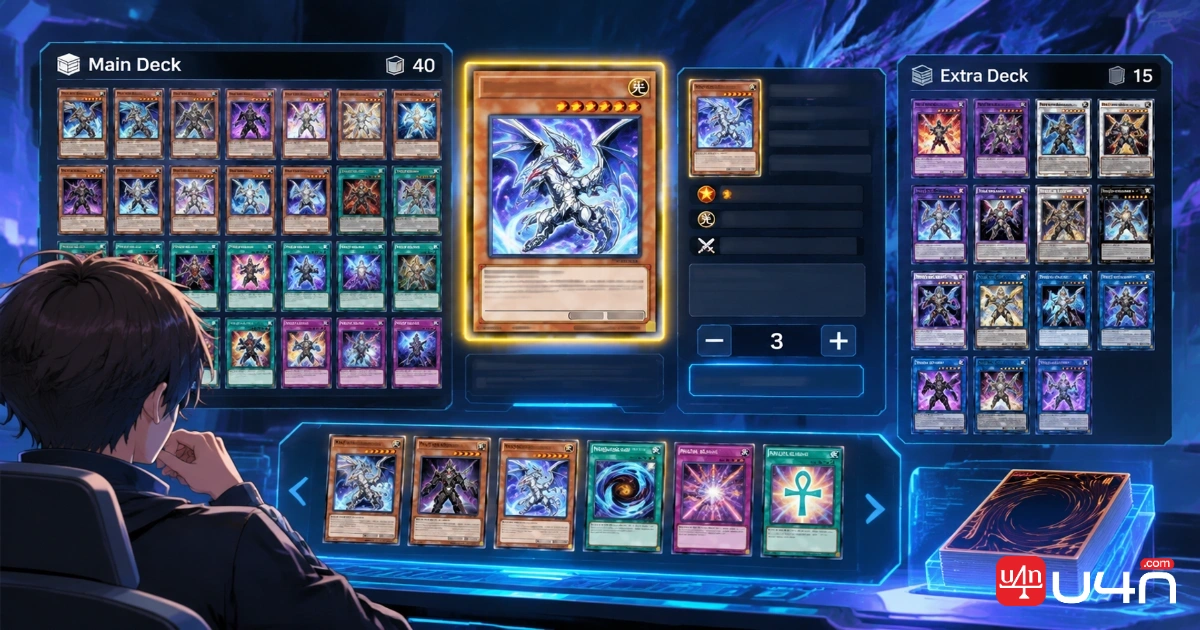
Even a strong Deck List cannot compensate for poor decisions. In our experience, small improvements in timing and resource management often matter more than changing several cards after every losing streak.
Learn more than one opening combo. Your ideal opening sequence will not always resolve. Practice alternative lines so you can still establish a useful board after an interruption.
Know when to use your hand traps. Do not automatically interrupt the first effect you see. Identify the opponent's key starter or the point where their resources become difficult to replace.
Prepare for going second. A deck that only performs well when going first has an obvious weakness. Include appropriate interaction and board-breaking options.
Review your replays. Look for wasted effects, poorly timed interruptions, and unnecessary resource commitments. These mistakes are often easier to fix than a fundamentally weak deck list.
Keep your build updated. A list copied from an older tournament may contain outdated ratios or cards affected by the latest restrictions. Compare it with recent competitive builds before using it as your final version.
For returning players who are rebuilding their collections or exploring a fresh start, cheap Yugioh Master Duel Accounts may also be worth looking into. Make sure to consider account security, platform rules, and potential transfer risks before making any account-related decision.
Which Master Duel Deck Should You Play?
The November 5 Forbidden & Limited List makes this a particularly important time to review your deck choices. Elfnote and Kewl Tune need updated ratios, Dracotail requires a closer look at its remaining combinations, and established strategies such as Branded and Maliss remain worth considering.
Labrynth and other newer arrivals also give players more options beyond the familiar competitive lineup.
Here is our practical recommendation:
| Your Priority | Our Recommendation |
|---|---|
| Control and resource management | Labrynth, Elfnote |
| Fusion-based gameplay | Branded |
| Complex combo routes | Maliss, Phantom Knights |
| Rebuilding an existing deck | Dracotail |
| Exploring newer strategies | Exosister, Mitsurugi |
Ultimately, the best Yu-Gi-Oh! Master Duel Deck List is the one you understand, can consistently operate, and can adapt to the opponents you actually face. Do not choose a deck based on its ranking alone. Check its current card ratios, learn its alternative combos, and make sure it remains legal after the November 5 update.
A well-built deck with a player who understands its matchups will often be more valuable than an expensive list copied without understanding how it works.