Path of Exile 3.29: Curse of the Allflame gives players several ways to build their currency reserves, but choosing the right farming strategy is more important than simply running as many maps as possible. Expedition, Harvest, Legion, and Abyss remain useful options, while the new Allflame system introduces Charts, Voyages, and additional reward opportunities.
Our team recommends approaching currency farming with two goals in mind: maintaining a consistent mapping routine and investing in mechanics your character can complete efficiently. Whether you are saving up POE Currency for better equipment or preparing for more demanding endgame content, a focused strategy will usually produce better results than spreading your Atlas passives across too many activities.
Understanding the Best Currency Farming Options in 3.29
Before spending Atlas passive points, consider how much time, equipment, and preparation each farming mechanic requires. A strategy that looks rewarding on paper may not work well if your character struggles with its encounters.
Here is a quick comparison of the main options:
| Farming Strategy | Main Rewards | Best For | Investment |
|---|---|---|---|
| Expedition | Artifacts and vendor rewards | Consistent currency farming | Low–Medium |
| Harvest | Lifeforce and crafting materials | Crafting-focused players | Medium |
| Legion | Splinters and monster drops | Fast-clearing builds | Medium |
| Abyss | Abyssal rewards and monster drops | Strong combat builds | Low–Medium |
| Allflame Charts | League materials and chests | Flexible farming sessions | Low–Medium |
| Allflame Voyages | Expanded league rewards | Experienced players | Medium–High |
These categories are starting points rather than fixed profit rankings. Your results depend on character strength, market demand, encounter preparation, and how quickly you can finish each activity.
Expedition: A Practical Starting Point
Expedition is a good choice for players who prefer structured encounters and predictable reward management.
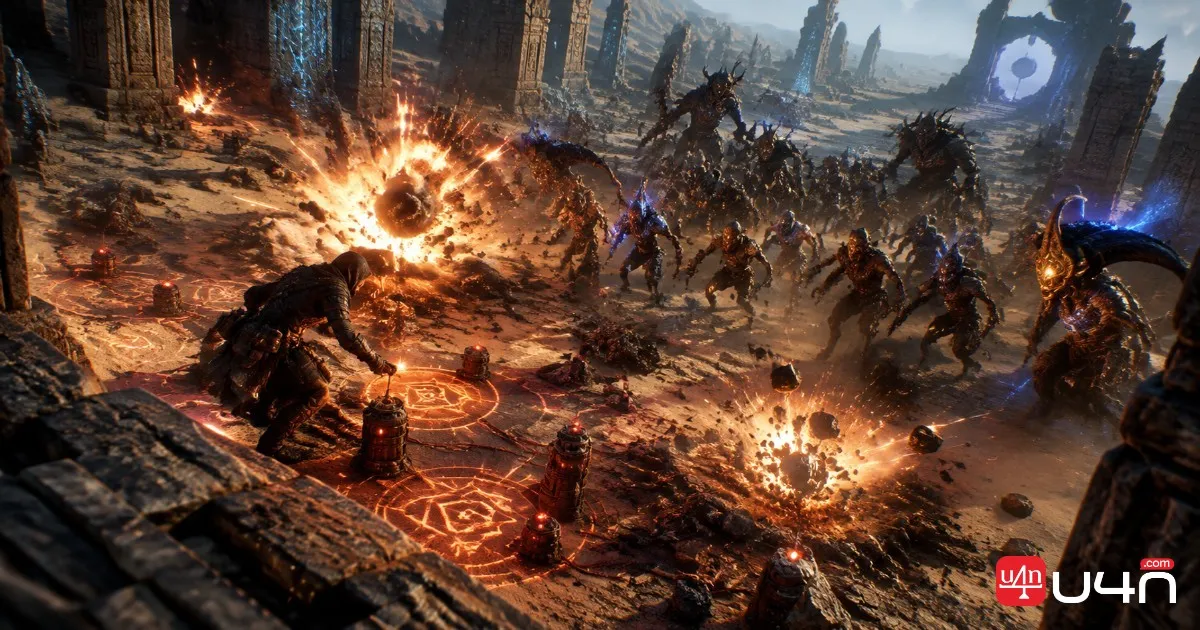
The main objective is to place explosives near marked objects and monsters, then defeat the enemies released by the detonations. Remnant modifiers are particularly important because they can improve rewards while introducing dangerous combat effects.
Our advice is to read the modifiers before placing explosives. Avoid combinations that significantly weaken your build, especially when playing a character with limited defenses.
Tujen is worth paying attention to because his vendor interactions provide another way to turn collected artifacts into useful items and currency. Rather than treating every encounter as a race, focus on choosing profitable modifiers that your character can handle consistently.

Harvest: Turning Crafting Materials into Value
Harvest revolves around Lifeforce, making it particularly attractive to players who understand the crafting market.
You have two main options:
- Use Lifeforce to improve your own equipment.
- Trade surplus materials when market demand makes selling worthwhile.
Harvest works best when your character can clear its encounters without spending too much time on individual monsters. If the fights become slow or dangerous, the additional rewards may not justify the time investment.
Legion: Best Suited to Fast-Clearing Builds
Legion rewards characters that combine strong area damage with reliable movement speed.
After activating an encounter, you have limited time to release and defeat frozen enemies. The more efficiently your build clears the encounter, the more opportunities you have to collect its rewards.
We recommend testing Legion before committing heavily to its Atlas passives. Builds with poor area coverage or insufficient damage may struggle to make the most of the mechanic.
Abyss: An Alternative for Combat-Oriented Characters
Abyss provides another mapping option for players who enjoy extended monster encounters and additional reward opportunities.
However, its encounter structure has changed over time, so older farming guides should not be followed automatically. Review the current Pit mechanics, reward sources, and relevant Atlas passives before investing in a dedicated setup.
For players who enjoy dense combat and have enough damage to handle elite enemies, Abyss is worth comparing against Expedition and Harvest.
Allflame Charts and Voyages: The Main 3.29 Opportunity
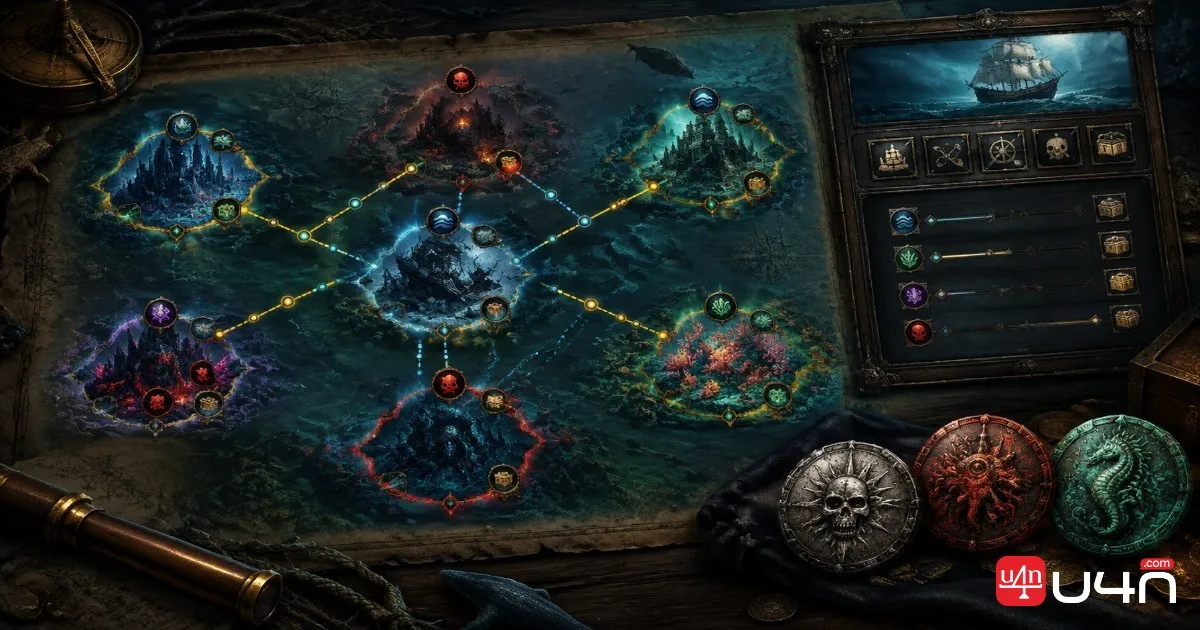
The most distinctive part of Curse of the Allflame is its underwater exploration system. Instead of relying entirely on traditional maps, players collect Charts, travel to The Sovereign, and explore dangerous areas beneath the ocean.
After meeting Valerie, you can access the league mechanic and begin organizing your exploration activities.
How to Farm Allflame Charts Efficiently
Charts are obtained through Cursed Treasure encounters while progressing through Wraeclast. Each Chart provides access to an underwater area with monsters, resources, and reward containers.
During exploration, we recommend prioritizing the following:
- Allflame Lanterns: Place them carefully to maintain protected areas and establish a safe route.
- Valuable Chests: Focus on useful reward containers instead of wasting time collecting everything.
- Dead Man's Sulphur: Collect this material for its role in Allflame crafting.
- Ducats: Keep track of these resources because they provide additional crafting opportunities.
One common mistake is moving too far from protected areas while chasing a distant reward. The underwater environment makes route planning important, so establish a safe path before exploring unfamiliar sections.
When Should You Combine Charts into Voyages?
Charts are useful for individual farming sessions, but Voyages allow players to connect multiple explored areas into a larger activity.
Our team recommends learning individual Chart layouts first. This helps you understand where rewards appear, how lantern placement affects exploration, and which modifiers are difficult for your build.
Once you are comfortable with individual encounters, start planning Voyages around compatible Chart combinations.
Avoid treating every additional modifier as an automatic improvement. A more difficult Voyage can become inefficient if it causes repeated deaths or significantly increases completion time.
Using Cursed Ducats to Increase Rewards
Cursed Ducats add another layer of customization to the Voyage Planner.
Each Ducat increases monster toughness, item quantity, and item rarity while introducing a specific difficulty modifier. Players can equip up to three simultaneously.
The important decision is choosing drawbacks that your character can handle.
For example, a character with strong defensive layers may tolerate certain dangerous modifiers more comfortably than a low-investment damage-focused build.
Start with fewer Ducats and increase the difficulty gradually. If your clear speed drops significantly, the additional reward potential may not compensate for the extra time and risk.
Choosing an Atlas Strategy Based on Your Budget
A good farming strategy should match your current equipment rather than an expensive endgame setup you have not yet reached.
The following recommendations provide a practical starting point.
| Budget | Recommended Farming | Main Objective |
|---|---|---|
| Low | Expedition and individual Charts | Build initial resources |
| Medium | Harvest, Legion, and selected Voyages | Improve farming consistency |
| High | Optimized Voyages and specialized Atlas setups | Increase reward potential |
Low-Budget Farming
For newer endgame characters, Expedition and individual Charts are sensible choices.
Expedition provides accessible encounters and vendor-based rewards without requiring an elaborate farming setup. Charts also allow you to experience the main league mechanic without committing all your resources to a large Voyage.
At this stage, focus on:
- Completing maps your character can handle.
- Collecting useful crafting materials.
- Avoiding unnecessary preparation costs.
- Selling tradable rewards when market prices are favorable.
- Improving equipment gradually.
There is little reason to invest heavily in difficult encounters if your character cannot complete them comfortably.
Medium-Budget Farming
Once your character has stronger damage and defenses, you can begin specializing in Harvest, Legion, Abyss, or more advanced Voyages.
This is also the point where tracking expenses becomes more important.
For example, if a farming strategy requires additional maps or Scarabs, include those purchase costs when calculating your results. A session with several valuable drops can still produce disappointing returns if the preparation costs are too high.
We recommend testing one strategy over multiple runs before deciding whether to expand the investment.
High-Budget Farming
Experienced players can focus on optimized Voyages and specialized Atlas configurations.
Cursed Ducats provide additional opportunities to increase reward potential, but selecting the right difficulty modifiers is essential. Your character should be strong enough to maintain a reasonable clear speed even after the added monster toughness.
For conventional mapping, high-investment Legion or Harvest setups are also worth considering when your build can handle their encounters efficiently.
The goal is not to maximize difficulty. It is to increase rewards without sacrificing too much time or risking repeated failures.
Build an Efficient Currency Farming Routine
Choosing a good mechanic is only the beginning. A repeatable routine helps reduce preparation time and makes your results easier to compare.
Our team recommends following this progression.
Step 1: Establish Reliable Map Progression
Complete available Atlas objectives and maintain a stable supply of maps.
You should prioritize content that your character can clear comfortably. Consistent completion is more valuable than repeatedly attempting encounters that are beyond your current equipment level.
Step 2: Focus on One Main Mechanic
Choose Expedition, Harvest, Legion, Abyss, or Allflame as your primary activity.
Avoid investing heavily in several unrelated mechanics at once. A focused Atlas setup makes it easier to understand your results and identify what needs improvement.
Step 3: Add Supporting Atlas Passives
Once your main farming mechanic is established, spend remaining points on useful supporting nodes.
These should improve the overall mapping experience rather than introduce unnecessary activities that interrupt your farming route.
Step 4: Track Costs and Actual Returns
Do not judge your strategy by valuable drops alone.
Use a simple calculation:
Net Profit = Total Reward Value − Total Farming Costs
Profit per Hour = Net Profit ÷ Farming Time
Include maps, Scarabs, consumables, and other preparation expenses. For Allflame activities, account for the resources spent preparing Charts and Voyages.
Step 5: Reinvest According to Your Needs
Use part of your earnings to improve your equipment or expand your farming setup.
For example, if Legion encounters take too long, additional damage and movement speed may be more valuable than investing in another Atlas mechanic.
Orbs of Unmaking also allow you to refund Atlas passive points, making it easier to adjust your strategy when your farming goals change.
Common Currency Farming Mistakes to Avoid
Even a well-planned farming strategy can become inefficient when players overlook preparation and character limitations.
Here are the mistakes we recommend avoiding.
Spreading Atlas Points Too Thin
Investing in too many mechanics prevents you from developing a focused strategy. Establish one primary activity before adding secondary options.
Ignoring Build Compatibility
A fast-clearing Legion setup is not suitable for every character. Consider damage, defenses, and movement speed before investing.
Using Every Chart Immediately
Some Charts may be more useful when combined into Voyages. Understand their layouts and modifiers before committing them to a larger encounter.
Overusing Cursed Ducats
Additional rewards come with additional difficulty. If the modifiers make encounters too dangerous, reduce the number of equipped Ducats.
Ignoring Market Conditions
Lifeforce, artifacts, and other tradable rewards do not have fixed values. Check current demand before deciding whether to sell or use them.
Following Outdated Farming Guides
Atlas passives, encounter rewards, and league mechanics can change between patches. Always check the current version before copying an older farming setup.
Most importantly, remember that gross drops and actual profit are not the same thing. A farming method should be judged by its returns after expenses and the time required to complete it.
Final Recommendations: Which Strategy Should You Choose?
There is no universal best currency farming strategy in Path of Exile 3.29. The right choice depends on your build, available equipment, preferred gameplay, and willingness to invest in preparation.
| Player Type | Recommended Strategy |
|---|---|
| Newer endgame players | Expedition and individual Charts |
| Crafting-focused players | Harvest |
| Fast-clearing builds | Legion |
| Combat-oriented builds | Abyss |
| Allflame progression | Charts and Voyages |
| Experienced farmers | Optimized Voyages and specialized Atlas setups |
For most players, we recommend starting with Expedition or individual Charts before moving into more demanding content. These activities provide a practical way to build resources while learning the current league mechanics.
As your character becomes stronger, experiment with Voyages and Cursed Ducats to improve your reward potential. If equipment upgrades are holding back your progress, comparing farming expenses with the cost of cheap POE Items may also help you decide whether to upgrade directly or continue farming.
Ultimately, consistent currency farming comes down to three things: choosing content your character can complete efficiently, controlling your preparation costs, and measuring actual returns over multiple runs. A focused Atlas strategy and a sensible Allflame routine will give you a much stronger foundation than simply chasing the highest theoretical loot.
Frequently Asked Questions
What Is the Best Currency Farming Strategy in PoE 3.29?
There is no single best option for every build. Expedition is a practical starting point, Harvest suits crafting-focused players, and Legion works well with strong area damage. Charts and Voyages are important options for players focusing on Curse of the Allflame.
Are Allflame Charts Better Than Voyages?
They serve different purposes. Individual Charts are convenient for shorter farming sessions, while Voyages combine multiple areas and offer additional reward customization. The better option depends on your preparation and clear speed.
Should I Use All Three Cursed Ducats?
Not necessarily. Each Ducat increases monster difficulty alongside item quantity and rarity. Start with one and add more only when your character can comfortably handle the additional modifiers.
Is Expedition Good for Low-Budget Characters?
Yes. Expedition offers accessible encounters and artifact-based vendor rewards. However, players should still pay attention to Remnant modifiers and avoid combinations that their builds cannot handle.
How Do I Know Whether a Farming Strategy Is Profitable?
Track total rewards, preparation expenses, and completion time across multiple runs. Compare net profit rather than judging a strategy by its biggest individual drop.