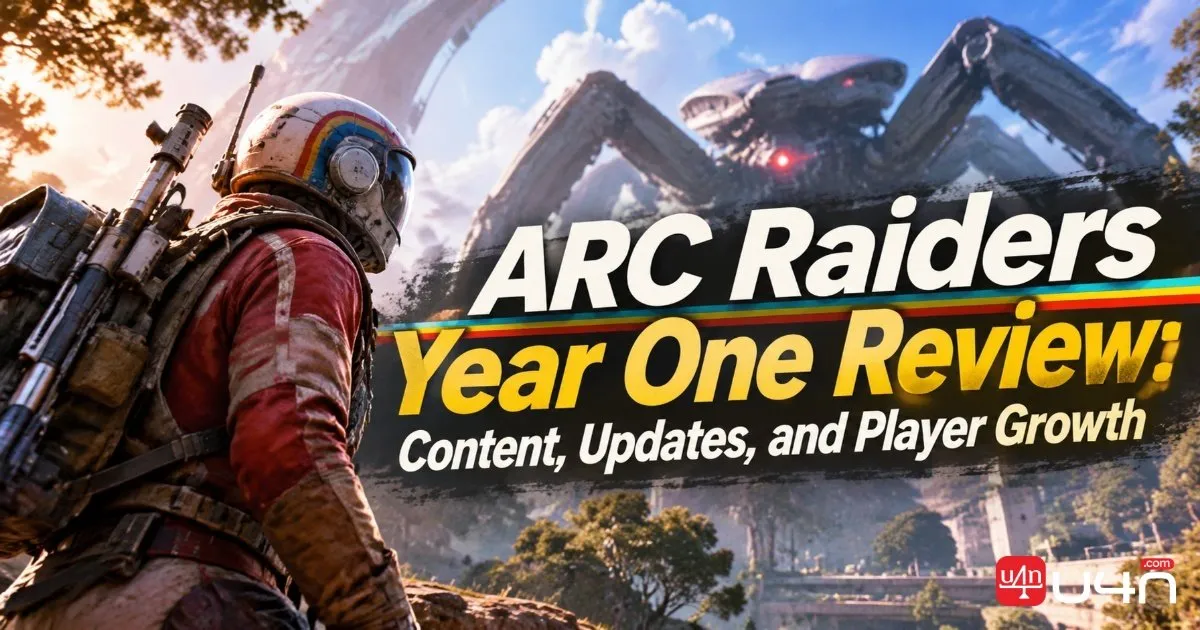
One year after launch, ARC Raiders has grown from a promising extraction shooter into a much more developed experience, with new maps, tougher ARC enemies, expanded progression, and more reasons to return to Topside. But the journey has not been smooth. Content droughts, duplication exploits, and declining player activity have all tested the game's momentum. Our team looks at the biggest changes through four areas: content, player activity, progression, and trust in Embark.
The Frozen Trail update has given players plenty of reasons to revisit the Rust Belt, while the wider selection of equipment and challenges makes the game feel different from its early days. For players comparing gear options or planning their next loadout, ARC Raiders Items can also be a useful reference point. Still, more content does not automatically mean a healthier game. The real question is whether these changes solve the problems that made players leave in the first place.
Content Has Improved, but Updates Take Longer
ARC Raiders launched with several core maps, including Dam Battlegrounds, Buried City, Spaceport, and Blue Gate. Over the following months, Embark expanded the experience with new locations, environmental conditions, and increasingly dangerous ARC encounters.
Later updates introduced additional challenges, from the Matriarch and Shredder to Hurricane-related threats and the major additions associated with Flashpoint and Riven Tides. These changes gave experienced Raiders new situations to learn instead of simply repeating familiar routes.
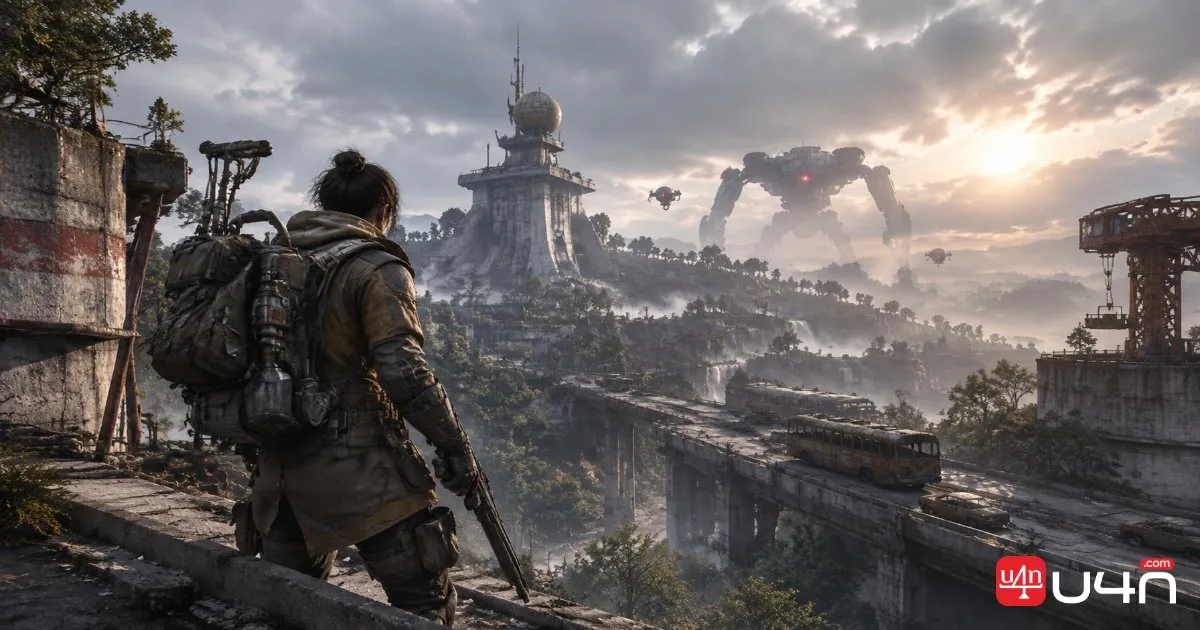
Frozen Trail represented a more substantial step forward. Beyond new encounters and exploration opportunities, it introduced a broader collection of progression features, including weapon amplification, expanded outpost functionality, and a reworked skill tree. The corrupted Emperor encounter also gave players a more demanding objective to pursue.
What matters here is how these systems work together. A new enemy creates a combat problem; a new progression system gives players a reason to prepare for it; and valuable rewards make the encounter worth repeating. When these elements connect, an update can change the way we approach the entire game rather than merely adding another destination.
However, Embark's content strategy has changed. Instead of maintaining a frequent stream of substantial updates, the studio has shifted toward fewer, larger releases, partly in response to the workload involved in its earlier schedule.
That decision has a clear trade-off. Larger updates can deliver more meaningful changes, but players who finish available content quickly may face long periods without another major objective.
Why the New Update Schedule Matters
The value of a major update depends on more than its launch-day content. Players also need reasons to return once they have explored the new areas, defeated the latest enemies, and collected the most important rewards.
- Larger updates can introduce more substantial systems and encounters.
- Longer gaps between releases can leave experienced players with fewer new objectives.
- Repeatable activities and meaningful progression become more important between major updates.
Content verdict: A. The game's scope and depth have improved considerably. The main weakness is not the quality of its biggest updates, but the amount of time players may have to wait between them.
Player Numbers Recovered, but Retention Is Still Uncertain
Player activity tells a more complicated story than the claim that ARC Raiders has either succeeded or failed.
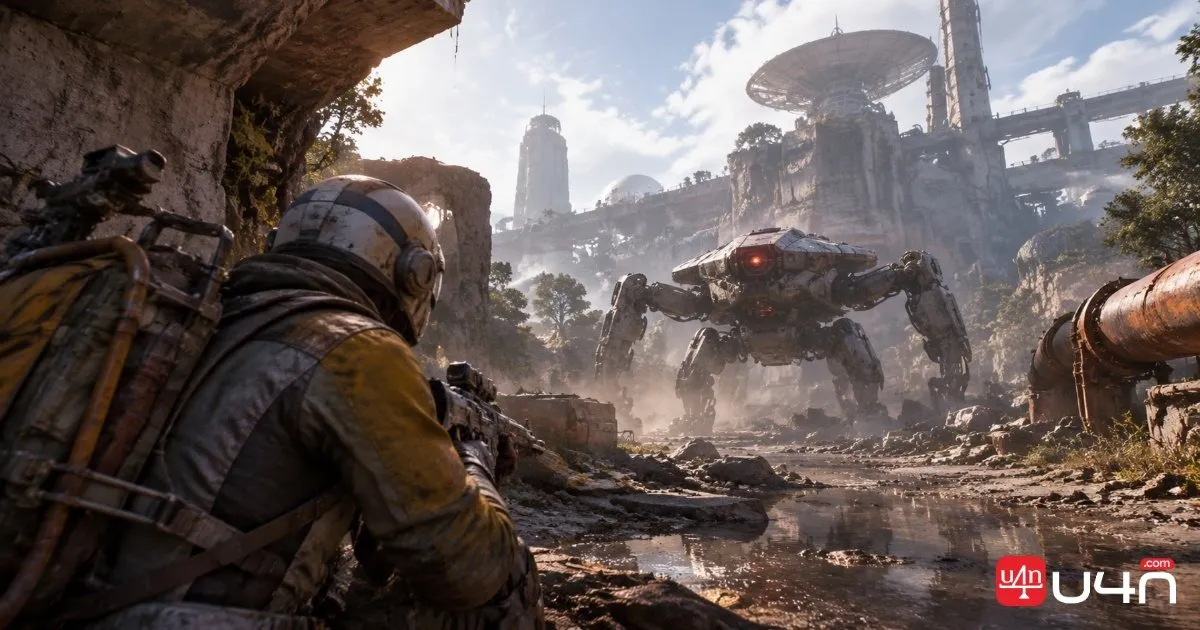
The game attracted substantial attention at launch, but activity declined as players completed available content and encountered familiar problems. By September, Steam's average concurrent player count had fallen to roughly 21,000. Following Frozen Trail and a free weekend, activity rebounded significantly, with the game reaching approximately 185,000 concurrent players on October 11.
These figures show how strongly a major update can influence activity. They do not, however, establish whether returning players will remain once the initial excitement fades.
What Player Activity Can—and Cannot—Tell Us
There are several reasons players may leave an extraction shooter. Some finish the available quests and lose their immediate goals. Others find the gameplay loop repetitive, or decide that the wait for new content is too long.
These causes require different solutions. More maps may attract returning players, but they will not necessarily fix an unbalanced progression system.
This is why we would pay closer attention to activity over several weeks and months rather than relying on a single post-update peak. Consistent engagement between major releases would be a stronger sign that the game has established a sustainable routine.
The coming update cycle will also test whether the new content has enough depth to keep experienced players interested. A successful launch weekend is valuable, but a healthy player base needs reasons to keep logging in afterward.
Player-base verdict: B. The recovery is promising, and the game clearly retains the ability to attract attention. Whether that momentum lasts is still an open question.

Progression Finally Gives Players More to Work Toward
Long-term progression has become one of the most important changes in ARC Raiders. Early extraction gameplay can be compelling, but once players complete their quests and accumulate equipment, the motivation to continue can weaken.
The Expedition system attempted to address this through an optional reset. Players could give up accumulated progress in exchange for additional benefits, effectively choosing to start again.
The difficulty was the cost. Resetting means sacrificing substantial progress, including quests, collected items, and blueprints. For players who have invested many hours in building their accounts, the rewards must be compelling enough to justify that decision.
Embark acknowledged that Expedition participation was lower than expected and paused the system while reconsidering its benefits. That leaves an important question for the future: how can the game offer meaningful resets without making players feel that their existing progress has little value?
Meanwhile, Frozen Trail introduced other ways to pursue long-term goals.
| System | Main purpose | What players should consider |
|---|---|---|
| Weapon amplification | Extends equipment progression | Whether the required materials justify the improvement |
| Outposts | Expands personal space and storage management | How construction and resource planning support regular raids |
| Research points | Connects difficult challenges with further upgrades | Which objectives are worth prioritizing |
| Reworked skill tree | Expands character-building choices | Which skills best support a preferred playstyle |
| High-difficulty encounters | Provides challenging objectives and valuable rewards | Whether preparation and risk match the expected payoff |
These systems give players more reasons to gather resources, experiment with builds, and prepare for demanding encounters. They also create opportunities for different types of progression to support one another.
For example, a difficult encounter can become more meaningful when its rewards contribute to a longer equipment upgrade path. Similarly, collecting materials has greater purpose when players can use them to improve their outpost or advance another goal.
Making Long-Term Goals Worth the Effort
There is still room for improvement. A large collection of systems does not automatically create a satisfying endgame. The rewards must remain relevant, the required effort must feel reasonable, and players need enough meaningful choices to avoid turning every raid into repetitive resource collection.
Progression verdict: B. Frozen Trail has introduced stronger long-term goals, but the balance between effort, rewards, and future reset mechanics still needs attention.
Embark's Trust Depends on More Than Promises
A game's long-term health depends partly on whether players believe its developers understand the problems they face and can deliver meaningful improvements.
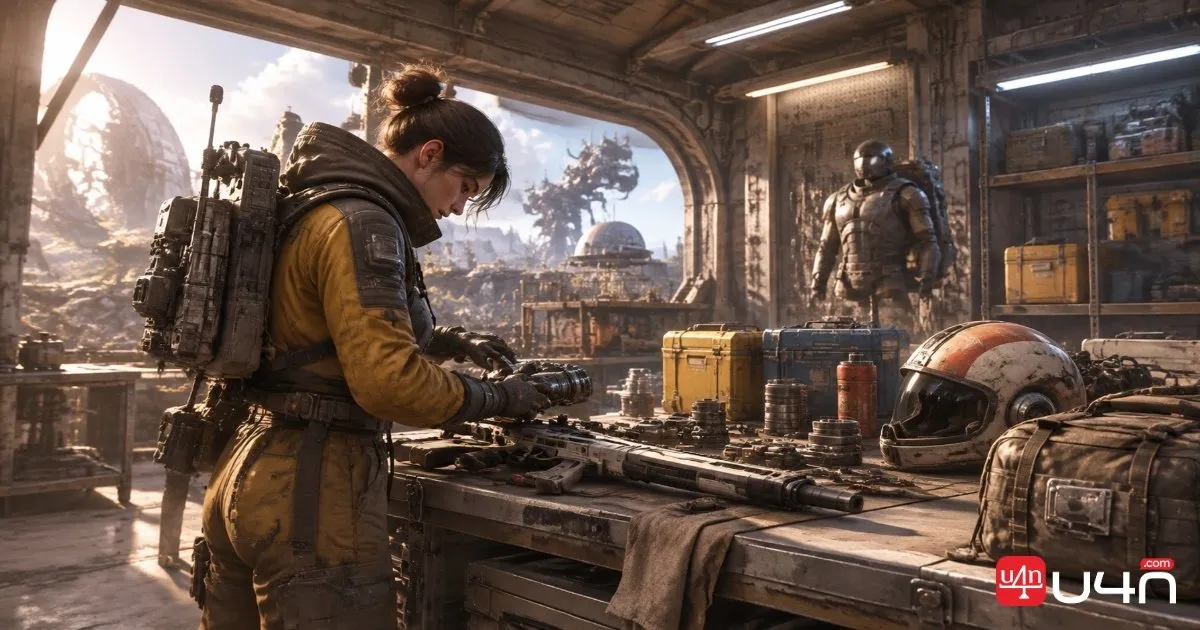
Embark has provided several examples of responding to criticism. After complaints about store pricing, the studio reduced prices and refunded the difference to affected purchasers. It also acknowledged concerns about AI-generated character dialogue and replaced some lines with performances recorded by human actors.
These decisions matter because they demonstrate that feedback can influence the final product. Players are more likely to remain engaged when criticism leads to visible action rather than disappearing into an announcement channel.
The change in update cadence also deserves a fair assessment. Embark has acknowledged the pressure associated with its earlier release schedule and shifted toward larger updates. From a development perspective, reducing the pace may give the team more time to build, test, and polish substantial features.
For players, however, the same decision creates a different challenge. Longer gaps between major releases require the existing game to sustain interest for more time. That places greater pressure on progression, repeatable activities, balance changes, and the quality of smaller patches.
The studio's approach to PvE is another useful example of community engagement. A limited test allowed players to experience the mode and provide feedback before Embark decided how to proceed. The studio reported that players completed 30 million PvE rounds during the one-week test.
That level of participation suggests substantial interest in the experiment, but participation alone cannot establish whether a permanent mode would be successful. Its long-term value would depend on how it fits into the wider game, what rewards it offers, and whether it can coexist with the existing PvP experience.
We would therefore judge Embark on three things going forward: how clearly it communicates decisions, how reliably it follows through, and whether its changes solve the underlying problems rather than merely addressing their immediate symptoms.
What Players Should Look for Next
- Clear communication about major changes and the reasons behind them.
- Meaningful updates that improve the underlying experience rather than offering only short-term excitement.
Trust verdict: A. Embark has shown a willingness to listen and adjust. Maintaining that trust will depend on turning promising responses into consistent results throughout the game's second year.
Summary: Is ARC Raiders Worth Playing After One Year?
ARC Raiders is in a stronger position than it was at launch in several important respects. Its content has expanded, and progression offers more long-term objectives.
The biggest remaining challenge is consistency. Major updates can generate excitement, but the game also needs to remain rewarding between releases.
For new players, this is a more developed experience with a wider range of activities to explore. Returning players who left because they had exhausted the available content may find Frozen Trail a worthwhile reason to come back. Players who expect substantial new content every month, however, should adjust their expectations to match Embark's lower-frequency release strategy.
Our overall assessment is positive, but not unconditional. ARC Raiders has demonstrated that it can evolve in meaningful ways. Its second year will show whether those improvements can support a stable and satisfying experience over the long term.
FAQ
Is ARC Raiders better now than it was at launch?
In several respects, yes. The expanded content, additional progression systems, and changes to enforcement have improved the overall experience.
Did Frozen Trail change the way ARC Raiders is played?
It expanded the game's progression options through weapon amplification, outpost functionality, skill-tree changes, and more demanding encounters. These additions give players more reasons to gather resources and work toward longer-term objectives, although their lasting impact depends on balance and reward quality.
Why did ARC Raiders lose players after launch?
Several factors may have contributed, including players completing available content, limited reasons to continue progressing, and long waits for major updates. Player decline alone cannot establish the relative importance of each cause.
Is ARC Raiders worth returning to?
If you left because you had completed the available quests or wanted more progression goals, the newer content may justify another look. If you left because you dislike long gaps between major updates, the revised release strategy may not suit your preferences.
What should players watch in ARC Raiders' second year?
Focus on long-term player activity, the depth of new progression systems, and whether Embark delivers meaningful updates at its revised pace. Players considering purchases or exploring options for ARC Coins for sale should also assess their actual needs and review relevant game rules before spending. Ultimately, the game's long-term success will depend on whether its improvements remain valuable after the excitement of each major update fades.