購物車

購物車空

繼續購物
總計 $0.00
結算
首頁 / 博客 / 美國職棒大聯盟 26

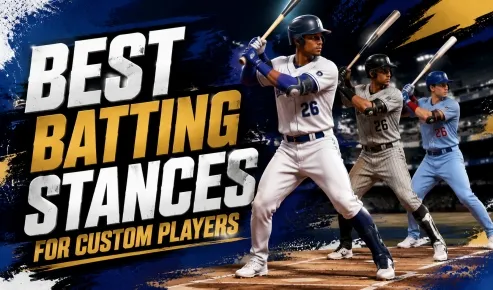
MLB The Show 26: Best Batting Stances for Custom Players

作者: U4N
發佈日期: Aug 13, 2026
20

Finding the right batting stance can make a noticeable difference in MLB The Show 26, especially for Road to the Show (RTTS) characters and Diamond Dynasty Created Players. The best stances generally combine a clean visual setup, limited body movement, and a quick, readable swing animation.

Your ideal stance ultimately depends on whether you prioritize timing, power, PCI control, or contact. However, several MLB 26 player stances remain popular choices for competitive builds.

Best Batting Stances in MLB The Show 26

Player StanceRecommended StyleMain Benefit
Shohei OhtaniTiming / RhythmHigh leg kick works as a visual timing cue
Yordan AlvarezPure PowerNatural launch angle supports power hitting
Mike TroutBalanced / ContactShort, quick swing handles high fastballs well
Juan SotoPCI PrecisionFlat setup promotes consistent zone control
Corey SeagerContactSmooth animation provides excellent zone coverage

Shohei Ohtani – Best for Timing

Shohei Ohtani’s stance is an excellent option for players who like using a visible rhythm cue before the pitch arrives. His high leg kick creates a recognizable timing sequence that can help you synchronize your swing.

The larger movement may require some practice, but once mastered, it can provide a consistent visual trigger for different pitch speeds.

Yordan Alvarez – Best for Power

Yordan Alvarez is one of the strongest choices for power-oriented builds. His batting animation naturally produces a favorable launch angle, making the stance particularly attractive for players who prioritize home runs and extra-base hits.

If your custom player is built around high Power attributes, Alvarez’s stance is worth testing.

Mike Trout – Best Balanced Option

Mike Trout offers a compact and responsive swing. The relatively short animation makes it easier to react to high fastballs while still providing enough coverage for contact-focused builds.

This makes Trout a practical choice if you want a stance that works across multiple hitting situations without relying heavily on a large leg kick.

Juan Soto – Best for PCI Control

Juan Soto’s relatively flat bat setup is useful for players who concentrate on PCI precision. The reduced movement can make it easier to track the pitch and keep your visual focus on the strike zone.

For players who prefer a controlled, technical hitting approach, Soto is one of the better options to experiment with.

Corey Seager – Excellent for Contact

Corey Seager remains a strong choice when smooth zone coverage is the priority. His animation feels controlled and consistent, making it suitable for players who want to focus on squaring up pitches rather than relying entirely on raw power.

Best Switch-Hitter Batting Stances

Switch hitters need an animation that feels reliable from both sides of the plate. A balanced stance can make it easier to maintain consistent timing and PCI control regardless of the pitcher’s handedness.

Jorge Polanco

Jorge Polanco is a popular switch-hitting option because of his compact swing path and quick-feeling animation. It works particularly well for custom players who need a balance between contact and exit velocity.

Adley Rutschman

Adley Rutschman’s stance provides excellent coverage toward the outer half of the plate. Its balanced follow-through makes it a dependable option for players who want a relatively consistent swing from both sides.

Chipper Jones (2008)

The 2008 Chipper Jones stance is another strong option for switch hitters. It combines a recognizable animation with reliable gap-to-gap hitting potential, making it suitable for balanced builds.

Adalberto Mondesi

Adalberto Mondesi is worth considering for smaller, contact-focused builds. His quick-feeling swing can help players react to fastballs and maintain pressure against pitchers with high velocity.

How to Choose a Batting Stance

The best stance isn’t necessarily the one with the highest theoretical attributes. Visual readability is often more important because hitting requires you to identify pitch type, location, speed, and movement in a fraction of a second.

Consider these factors when selecting a stance:

· Timing: Choose an animation with a rhythm you can easily recognize.

· Hand movement: Excessive waggle can make pitch tracking more difficult.

· Leg kick: Larger kicks can provide timing cues but may feel slower.

· Swing speed: Compact animations are generally easier to use against high-velocity pitches.

· PCI control: Quieter stances can help reduce visual distractions.

· Hitting style: Power builds may benefit from different animations than contact-focused builds.

Recommended Stance Creator Settings

If you’re creating a custom player in RTTS or Diamond Dynasty, the stance creator gives you additional control over the animation.

Minimize Hand Waggle

Lower the hand movement settings if excessive movement makes it difficult to track the pitcher’s release point. A quieter setup creates a cleaner visual field.

Slightly Open the Stance

An open stance can provide a clearer view of the pitcher and may make it easier to read breaking balls. Experiment with the degree of openness until the pitcher’s release point feels comfortable to track.

Try Stride Style 2

Stride Style 2 can be useful when your preferred player’s default stride feels too long or distracting. A shorter-feeling animation may make it easier to react to fastballs, particularly when playing against high-velocity pitchers.

Should You Use a Large Leg Kick?

A large leg kick isn’t automatically better or worse. It primarily changes how you perceive the timing window.

If you are comfortable with rhythm-based hitting, Shohei Ohtani’s larger leg kick can provide a useful timing reference. If you frequently struggle against fastballs, however, a quieter stance may be easier to manage.

The key is consistency. A stance that looks excellent on paper won’t help if its animation causes you to mistime pitches.

Best Batting Stance by Playstyle

For a quick reference, consider the following:

· Best timing cue: Shohei Ohtani

· Best power option: Yordan Alvarez

· Best balanced stance: Mike Trout

· Best PCI-focused option: Juan Soto

· Best smooth contact stance: Corey Seager

· Best switch-hitter option: Jorge Polanco

· Best quick swing for smaller builds: Adalberto Mondesi

Improve Your Hitting Without Changing Your Build

Changing your batting stance can help, but it isn’t a replacement for learning pitch recognition and PCI placement. Spend time testing your stance against fastballs, sliders, changeups, and breaking pitches before settling on one.

If you’re building a competitive Diamond Dynasty lineup, your available MLB The Show 26 Stubs can also be used to improve your roster and strengthen the players surrounding your custom hitter. However, mechanical consistency should remain the priority.

Ultimately, the best batting stance in MLB The Show 26 is the one that makes pitch tracking and swing timing feel predictable. Start with a proven animation such as Ohtani, Alvarez, Trout, Soto, Seager, or Polanco, then fine-tune the hand movement, stance openness, and stride until the animation matches your hitting style.

The U4N Team

上一個 下一個
作者簡介

U4N編輯團隊由一群熱愛遊戲的分析師和技術專家組成。我們不僅是一個可靠的遊戲資產市場——我們的核心目標是通過專業內容幫助玩家。我們的團隊為一些大熱門遊戲製作詳細的攻略、經濟策略和技術問題解決方案,包括《MLB The Show 26》、《Aion 2》、《Forza Horizon 6》、《Arc Raiders》和《Path of Exile》等。

無論是掌握遊戲市場的買賣技巧,還是幫助你打造最強的遊戲角色或策略,我們發布的每一份內容都經過我們團隊的實際測試。在 U4N,我們不僅跟隨遊戲的趨勢,我們還幫助你領先一步

相關文章