Cart Empty
Continue ShoppingEA Sports has officially revealed the updated in-game home-field advantage rankings for College Football 27, shaking up the list of the most intimidating environments in the sport. To build these rankings, developers factored in historical data, home winning percentages, stadium capacities, and team prestige.
Whether you are preparing to step into the deafening noise of an SEC night game or trying to survive a Big Ten white-out, managing your team's composure in these venues will be a major test. LSU's Tiger Stadium claims the absolute top spot this year, followed closely by a rising Ohio Stadium at number two.
Here is the complete official list of the top 25 toughest stadiums to play in for College Football 27:
Baton Rouge at night is the undisputed crown jewel of hostile environments. Known as "Death Valley," this venue packs over 102,000 fans who make the ground literally shake. In the game, trying to execute an offense here means dealing with maxed-out screen shake and heavily disrupted pre-play adjustments.
"The Horseshoe" combines massive scale with relentless noise. With over 102,000 Buckeyes fans screaming, the environment suffocates opposing audibles. The historic atmosphere makes it incredibly difficult to build dynamic momentum if you fall behind early on the road in Columbus.
Famous for its iconic "White Out" games, Beaver Stadium creates an absolute wall of sound. More than 106,000 fans chant in unison, causing your controller to vibrate fiercely. It is a nightmare environment for young quarterbacks trying to read coverages or change plays at the line of scrimmage.
Georgia boasts an elite home-field advantage where 93,000 fans create a dense, localized pocket of noise. Securing a win "between the hedges" requires fighting through severe audio distortion that hides your pre-snap receiver icons, mirroring how tough it is for real-world SEC rivals.
Tuscaloosa remains a terrifying destination for any road team. Packing over 100,000 fans, Saban Field at Bryant-Denny Stadium punishes mistakes instantly. The crowd noise swells rapidly on third downs, testing your offensive line's execution under pressure.
Do not let the smaller capacity fool you. Autzen Stadium holds around 54,000 fans, but its unique architectural design traps sound and bounces it directly onto the field. The result is a deafening, metallic ring that compromises team communication throughout the game.
"The Swamp" utilizes a tight, steep seating structure that places over 88,000 fans right on top of the action. The oppressive Florida heat combined with the heavy crowd noise saps visitor composure quickly, making it easy to accidentally trigger false starts.
Rising high above the Tennessee River, Neyland Stadium houses over 101,000 passionate fans clad in orange and white. The vertical build of the stadium acts like a megaphone, sending waves of noise downward that severely challenge your passing game mechanics.
Clemson's version of "Death Valley" features a highly energetic fanbase that turns up the volume long before kickoff. Running down the hill sets a chaotic tone, and the resulting stadium noise makes keeping your players focused on the road an uphill battle.
Home of the legendary "12th Man," Kyle Field features over 102,000 Aggies fans who rhythmically sway and chant throughout the game. This constant movement and organized noise throw off an opposing user's timing, especially during high-stress red-zone possessions.
To survive these hostile environments and build a truly unstoppable roster, you need the right talent backing you up. Make sure your team is fully prepared for the noise by securing your College Football 27 coins directly from our site today. Grab your coins now and dominate the toughest stadiums in the country with confidence.
As the Sooners continue to establish their presence in the SEC, their home turf remains highly intimidating. Holding over 80,000 fans, the venue produces high decibel levels that cause camera shaking, making deep downfield passes a risky gamble.
"The Big House" is the largest stadium in the country, regularly packing more than 107,000 fans. While historically known for being a vast bowl, the sheer volume of people creates a steady, rumbling undertone that limits your ability to see hot-route menus clearly.
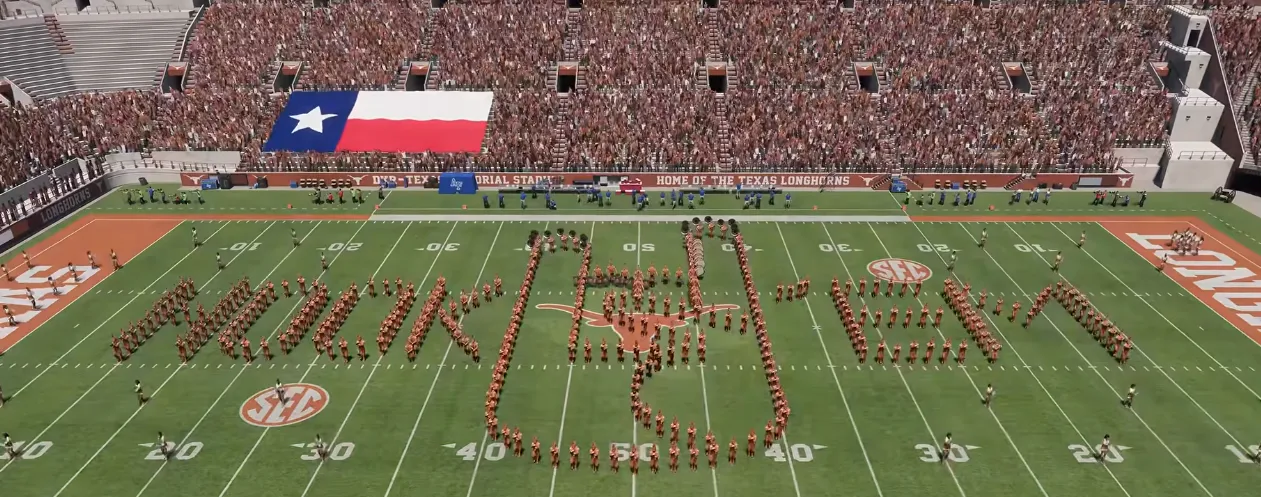
Austin transforms into a pressure cooker when big opponents come to town. Texas Memorial Stadium seats over 100,000 fans who generate massive crowd surges after big plays, making it incredibly tough to stop the Longhorns' home-field momentum.
Jordan-Hare Stadium is famous for its chaotic, unpredictable energy. Auburn fans create an intense environment where unexpected turnovers can cause the stadium volume to spike to maximum levels, instantly melting away your team's composure ratings.
With its massive metal cantilever roofs trapping the sound of over 70,000 fans, Husky Stadium is legendary for its ear-splitting decibel levels. The noise combined with the Pacific Northwest elements creates a uniquely grueling test for visiting teams.
When "Sandstorm" plays and the upper decks start physically swaying, Williams-Brice Stadium becomes a trap environment. The Gamecock faithful bring a hostile, high-energy vibe that causes noticeable pre-snap confusion for away teams.
Indiana makes a massive leap into the rankings, reflecting a rejuvenated football culture in Bloomington. The crowd inside Memorial Stadium gets incredibly loud on defensive third downs, making it tough to execute clean snap timings.
Sitting at a high altitude in Salt Lake City, Rice-Eccles Stadium packs a fierce punch. The MUSS (Utah's student section) creates a relentless wall of noise that disrupts offensive tempos, forcing you to rely on a heavy run game to survive.
Kinnick Stadium is where top-ranked teams go to watch their seasons unravel. The fans sit just yards away from the sidelines, creating an intimate, high-pressure environment where audibles are easily miscommunicated.
Steeped in history and tradition, Notre Dame Stadium pairs a majestic backdrop with a demanding crowd environment. Winning in South Bend requires overcoming a highly focused fanbase that thrives on throwing opposing offenses out of rhythm.
From the pre-game spear planting to the continuous war chant, Doak Campbell Stadium is an audio assault. The coordinated crowd chants create a rhythmic distraction that tests your patience and execution at the line of scrimmage.
When the Hokies take the field to "Enter Sandman," Lane Stadium transforms into an absolute madhouse. The opening momentum boost given to Virginia Tech makes surviving the first quarter a massive challenge for any visiting user.
Carter-Finley Stadium punches well electric above its weight class. NC State fans are notoriously loud and hostile toward visitors, resulting in high controller vibration and reduced visibility for hot routes during night games.
Nestled against the mountains in Provo, LaVell Edwards Stadium combines a beautiful backdrop with a remarkably loud, disciplined fanbase. The altitude combined with the high crowd volume wears down your players' stamina faster than usual.
No stadium list is complete without Starkville. The relentless, synchronized ringing of thousands of cowbells creates a unique audio obstacle that persists from the first whistle to the last, making it a fittingly tough place to round out the top 25.
Authored by elite gamers and industry insiders, the U4N Editorial Team delivers authoritative game updates, patch notes breakdowns, and expert strategies for trending titles including World of Warcraft, Path of Exile 2, MapleStory, Aion 2, and Arc Raiders.
From deep-dive guides to the latest meta shifts, our in-house veterans test every tactic firsthand to keep you ahead of the game.