Forza Horizon 6 brings a mix of fresh handling tweaks, upgraded tire physics, and more realistic weight transfer.
1. General Upgrade Philosophy
- Keep your car within a class or two of its stock rating to maintain balance.
- Always upgrade free parts and unlock tuning options like differentials and anti-roll bars early.
- Prioritize:
- Tires – compound and width
- Suspension – springs, ARBs, ride height
- Weight reduction
- Power upgrades – fill the remaining PI budget with engine mods.
Focus on handling first if you're racing tight mountain passes or circuit tracks; prioritize power for sprints or straight-line speed events.
2. Build: Body Kits & Conversions
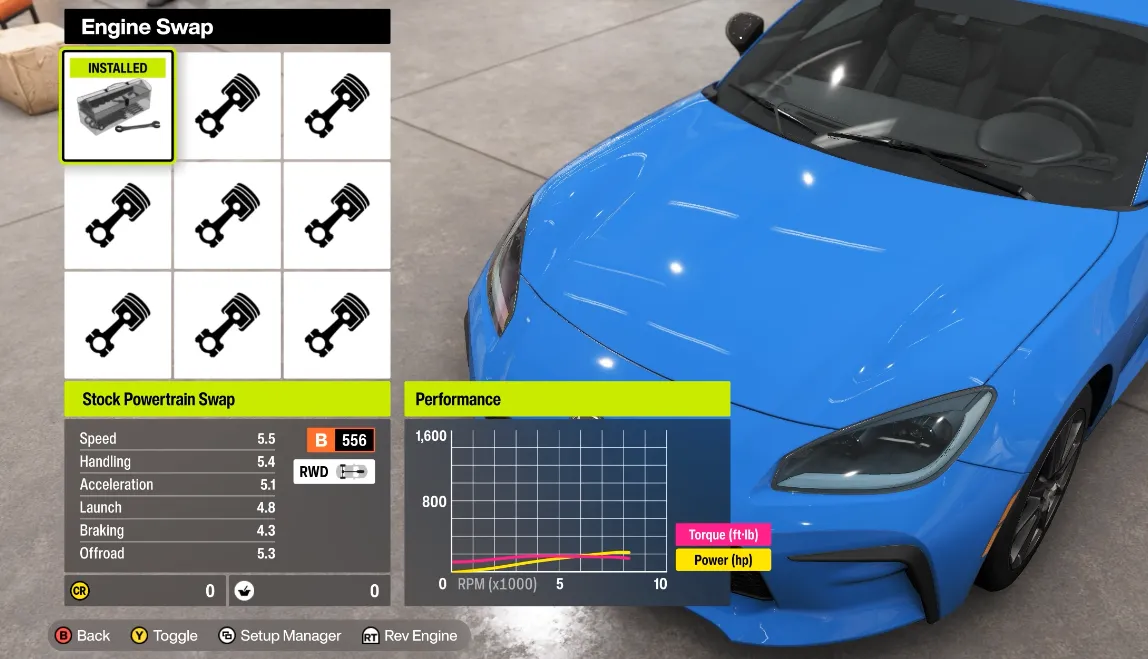
- Engine swaps: Lighter engines with a high rev band often outperform heavier V8s for handling-focused builds.
- Aspiration upgrades: Turbo and supercharger swaps can help hit higher PI classes but are often situational.
- Drivetrain swaps: AWD dominates off-road events; RWD is competitive up to R-Class on road events.
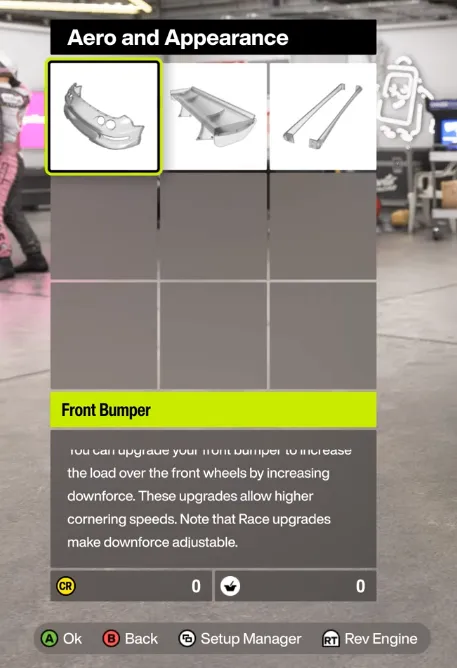
- Wide bodies: Unlock front downforce tuning and wider tires but be wary of added weight and drag in lower classes.
3. Build: Aero & Appearance
- Hoods, skirts, bumpers: Mostly cosmetic, minimal PI impact.
- Adjustable downforce: Key to balancing mechanical grip with stability. Start balancing front vs. rear around 0.4–0.45.
- Drag management: Higher downforce improves cornering but can reduce top speed. Adjust depending on sprint vs. circuit priorities.
4. Build: Tires & Rims
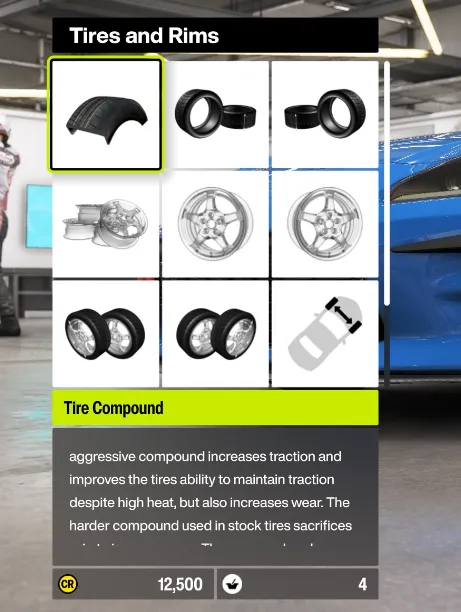
- Front tire width now plays a bigger role; increasing width improves turn-in and grip.
- Compound selection:
- Low classes: stock or street tires are often enough.
- Mid classes: rally/drift tires better than sports tires; semi-slicks are viable for RWD.
- High classes: semi and full slicks dominate for road racing; rally tires still viable for off-road.
- Unsprung weight: Heavier rims can slightly increase PI efficiency.
- Track width: Wider front increases turn-in; wider rear improves stability.
5. Build: Drivetrain
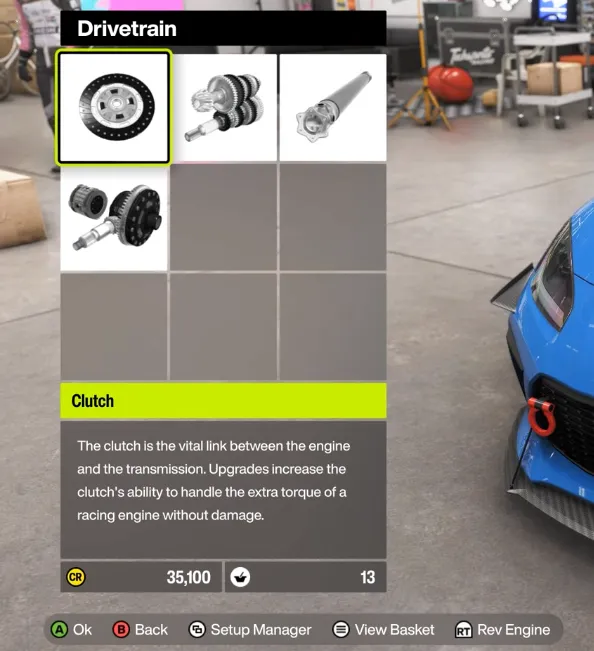
- Clutch: Minor importance for race transmissions; only upgrade if using auto or sport gearboxes.
- Sport transmissions: Unlock final drive tuning.
- Race transmissions: Can swap any car to sequential or paddle shift.
- Differentials: Always use aftermarket; subtle tuning impacts handling.
For those looking for shortcuts, you can always consider U4N services to buy Forza Horizon 6 credits cheaply and safely to accelerate your car upgrade and tuning options.
6. Build: Platform & Handling
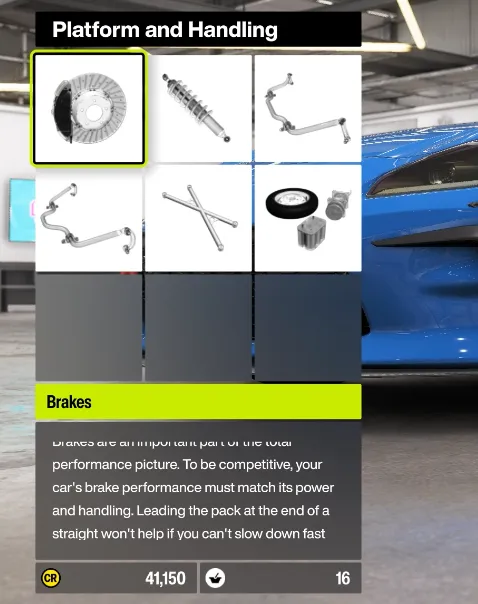
- Brakes: Upgrade low-class stock brakes to prevent lock-ups.
- Race suspension: Good default choice unless PI budget is tight.
- Anti-roll bars (ARBs): Always install; adjust with springs for balance.
- Chassis reinforcement: Optional; situational.
- Weight reduction: High priority; frees up PI for other mods.
7. Build: Engine
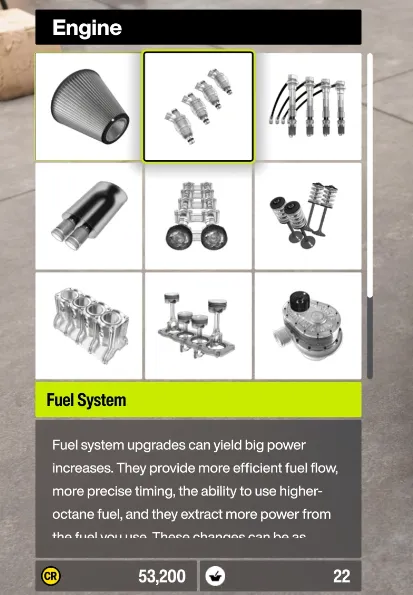
- Focus on exhaust, intake, intake manifold, ignition, fuel system, and valves first.
- Turbo, supercharger, and cam mods are situational; mostly for high-PI or engine-specific builds.
- Fill remaining PI with power upgrades and fine-tune using minor mods like drive line and flywheel.
8. Tuning Your Car
Tires
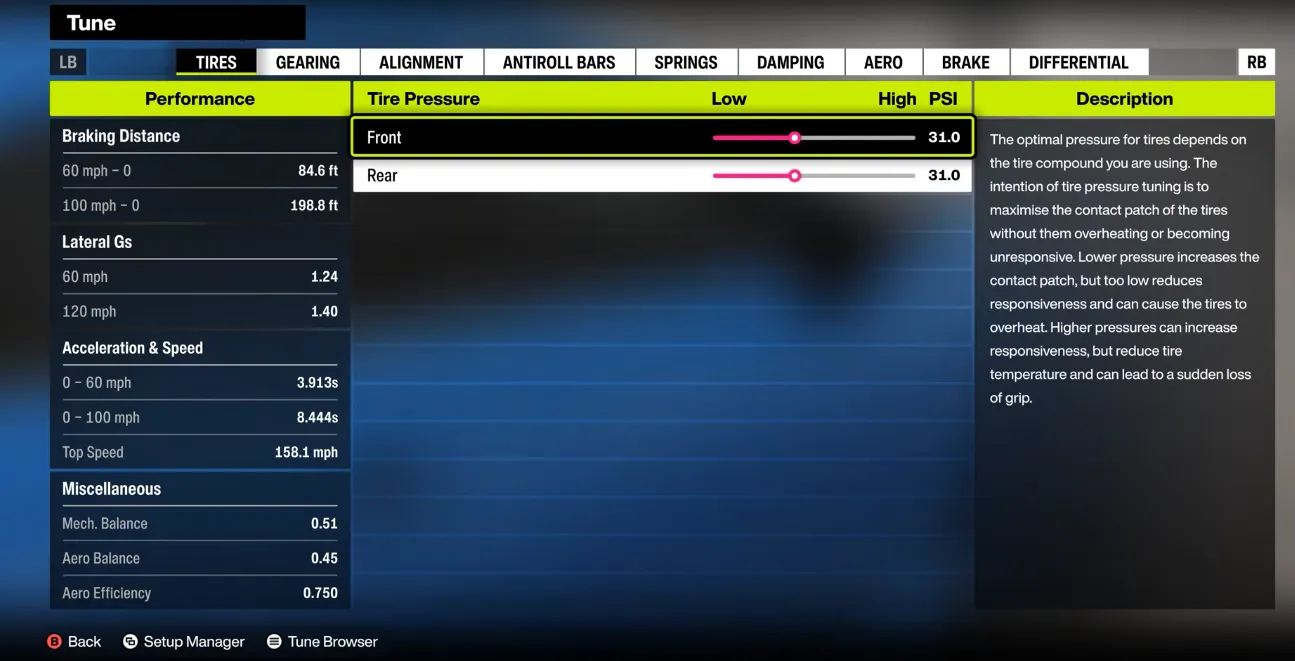
- Low-spec compounds: 26–28 PSI
- Semi, slick, drift: ~32 PSI
- Adjust by checking for overheating and grip.
Gearing
- Adjust final drive for top speed while staying in optimal power band.
- Lengthen lower gears on RWD for smoother throttle control.
Alignment
- RWD: Slightly more front camber
- FWD: More rear than front
- AWD: Balanced camber
- Use toe sparingly: toe-out front = better turn-in, toe-in rear = stability
- Caster: ~7° generally works best
ARBs
- Balance ARB adjustments with spring stiffness.
- Target mechanical balance ~0.55–0.65
- Lower front ARBs = more turn-in, adjust spring to compensate.
Springs & Damping
- Balanced front/rear stiffness helps trail braking and cornering.
- Softer setups with stiffer rebound for stability.
- Ride height: lower setups slightly closer to FH5 max setups; minor gap closed.
- Bump vs. rebound: stiffer springs pair with softer bump, softer springs pair with stiffer rebound.
Aero
- Balance front and rear downforce: start around 0.4–0.45.
- More front downforce → oversteer; more rear → understeer.
- Adjust depending on track layout and event type.
Brakes
- Brake bias: more front = stable under braking, more rear = lively but harder to control.
- Pressure: usually 100%, adjust for sharper braking if needed.
Differential
- AWD center diff: keep above 50%, adjust rear bias for road vs. off-road.
- RWD accel: 10–20% start; adjust for rotation vs. stability.
9. Tips
- Low to mid-class cars benefit most from tire and brake upgrades.
- Stability is now more crucial due to realistic braking and weight transfer.
- Mechanical grip upgrades are valuable alongside downforce adjustments.
- Sprint events prioritize power; technical tracks reward handling builds.
- Experimentation is key; community findings may further refine PI efficiency strategies.
By following this approach, you'll maximize your PI budget, optimize stability, and tailor your car to each event type in Forza Horizon 6.
About the Author
Authored by elite gamers and industry insiders, the U4N Editorial Team delivers authoritative game updates, patch notes breakdowns, and expert strategies for trending titles including World of Warcraft, Path of Exile 2, MapleStory, Aion 2, and Arc Raiders.
From deep-dive guides to the latest meta shifts, our in-house veterans test every tactic firsthand to keep you ahead of the game.