Cart Empty
Continue ShoppingIf you're new to Forza Horizon 6, the excitement of Japan's open world can quickly turn into frustration if you fall into common beginner traps. As someone who's spent hours drifting through Tokyo streets, tearing up alpine passes, and chasing leaderboard times, I've seen plenty of new players make the same mistakes.
The biggest trap in FH6 is spending your first 2,000,000 CR on a single hypercar. In the early stages, the game throws a lot of high-end cars at you through Wheelspins and Accolade rewards anyway.
One of the biggest beginner mistakes is jumping into high-level events with low-class cars. In FH6, races are divided into classes like D, C, B, A, and S. A D-class car in an A-class race will be left eating dust.
Example: I watched a friend try to race in a B-class street race with a 120 HP D-class hatchback. He finished dead last, 45 seconds behind the next player. Upgrading your car or choosing the right class can instantly improve performance.
Tip: Focus on upgrading key stats like power, handling, and tires before taking on higher-tier events. Sometimes spending 50,000–100,000 credits on a proper A-class car makes a bigger difference than hours grinding races in a D-class.
Many beginners don't realize Drivatars can earn you passive credits. Your own Drivatar races in other players' games while you're offline. Skipping this feature means losing out on thousands of credits over time.
Example: In my last week of gameplay, I collected 34,000 credits just from my Drivatar racing online while I focused on Alpine challenges. That's enough to buy a mid-tier S-class car or upgrade several A-class builds.
Tip: Recruit AI convoy members early, and rotate your Drivatar builds. The better your car, the more credits you passively earn.
New players often blow their credits on flashy cars or mods without a plan. This can leave you broke for weeks.
Example: A friend bought a rare “Aftermarket Car” for 500,000 credits on day two. Within three days, he couldn't afford the entry fee for a Horizon Rush event, costing him both XP and leaderboard rewards.
Tip: Budget credits. Save for upgrades and essential cars for specific challenges. Sometimes buying cheap FH6 credits from trusted sources can help if you're short, but don't rely solely on them—you still need to learn how to optimize your cars.
Most beginners think "Higher Horsepower = Faster Wins." This is a mathematical lie. If you take a C-Class car and shove a V12 engine into it, bringing it to the top of S1 Class, you'll likely end up with a "power build" that can't turn.
Forza Horizon 6 has 72 micro-seasons, daily/weekly events, and bonus streaks. Beginners often ignore them, missing out on exponential XP and credit gains.
Example: In the “Tokyo Drift Week,” completing three daily events gave 12,000 credits plus rare upgrade parts. Players who skipped the week lost out on both resources and leaderboard rank.
Tip: Check ANNA daily for recommended events. Even casual participation in a few bonus races can net 20–30% more credits than just free-roaming.
Many newcomers assume bigger cars or higher top speed equals victory. In FH6, cornering, braking, and drifting are just as important—sometimes more.
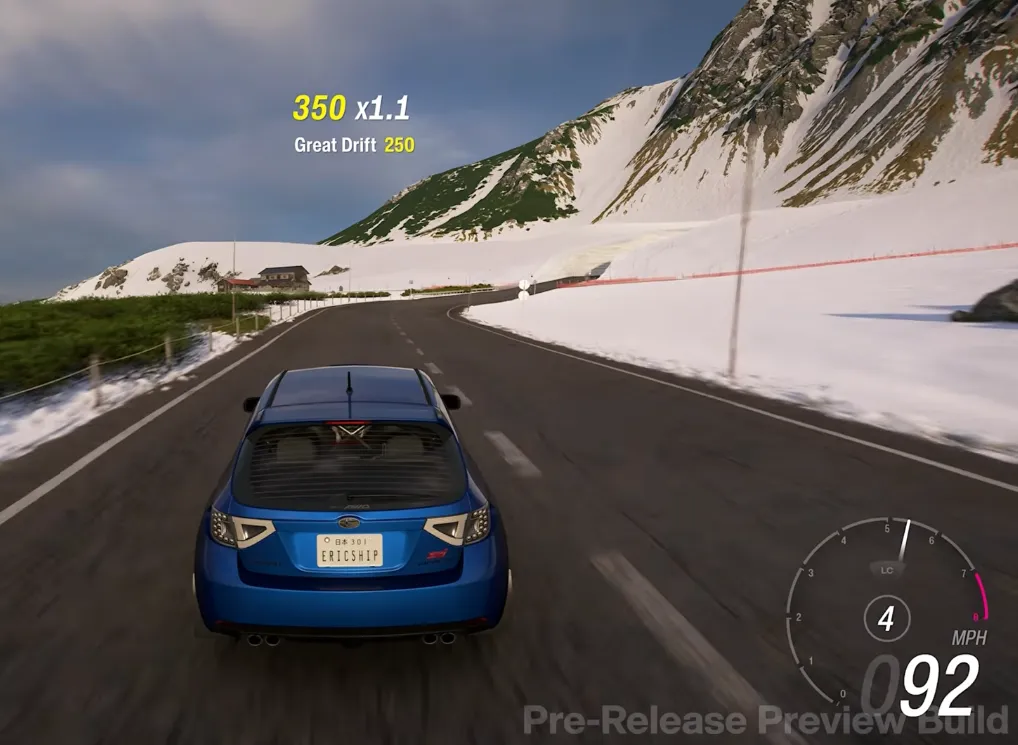
Example: I saw a player in a 900 HP S2-class monster try a narrow touge pass in the Alps. He lost 20 seconds per sector because he couldn't control the car around tight hairpins. Meanwhile, a friend in a 450 HP B-class car finished 10 seconds faster by mastering drift lines.
Tip: Don't just chase horsepower. Learn each track's layout, practice braking points, and master drift mechanics. A balanced setup often beats raw speed.
The Festival Playlist isn't just "extra credit"—it's the only way to get "Hard-to-Find" cars that never appear in the Autoshow.
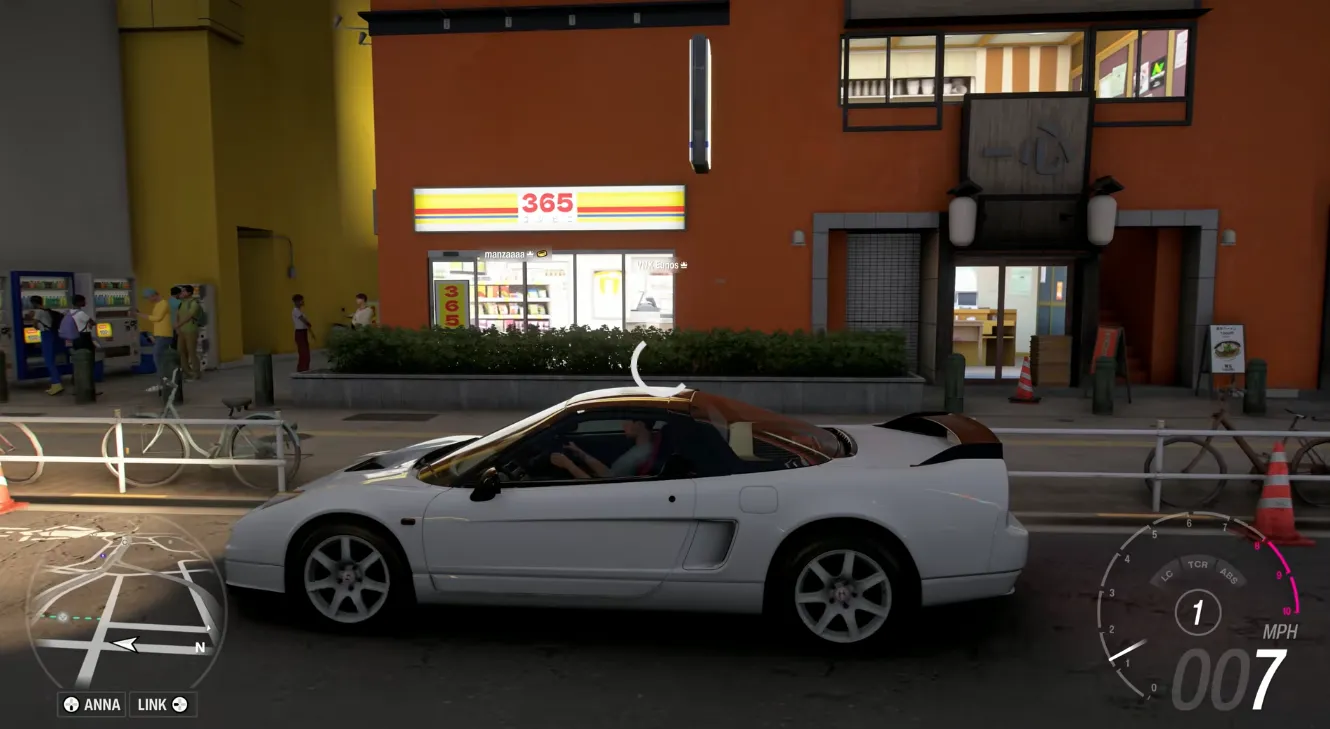
Treasure Cars (hidden builds) are scattered throughout Japan. Beginners ignore the Mei photo clues and miss out on rare vehicles.
Example: One 1985 Nissan Safari Turbo is tucked behind a warehouse in Kyoto. Without the photo hint, most players pass it unnoticed. Missing one or two Treasure Cars can cost you rare upgrades worth 80–120,000 credits in parts.
Tip: Follow Mei's clues carefully. These cars aren't just cosmetic—they often come fully upgraded and can dominate early races.
Some players stick to single-player modes, thinking online is intimidating. This slows progress and skill growth.
Example: Players who joined convoys and co-op races consistently improved lap times by 5–10 seconds per sector in a week versus solo players. Multiplayer exposes you to better driving lines, braking points, and car setups.
Tip: Jump into a 12-player convoy or co-op Horizon Rush. Even casual participation teaches you techniques you can't learn solo.
New players often feel "guilty" for using the Rewind feature, or worse, they never use it and finish 8th because of one missed checkpoint.
If you want to race online, you must understand Class Caps. Entering an Open Racing lobby with a car rated at PI 701 puts you at the bottom of the S1 Class (which goes up to 900).
Authored by elite gamers and industry insiders, the U4N Editorial Team delivers authoritative game updates, patch notes breakdowns, and expert strategies for trending titles including World of Warcraft, Path of Exile 2, MapleStory, Aion 2, and Arc Raiders.
From deep-dive guides to the latest meta shifts, our in-house veterans test every tactic firsthand to keep you ahead of the game.