Buy 99 Nights in the Forest Gems Cheap – U4N Currency Marketplace
Buying Gems in 99 Nights in the Forest is a common choice for players who want to unlock upgrades, speed up progress, or avoid long grinding sessions. In general, most players look for three things when buying Gems: clear pricing, a simple buying process, and predictable delivery.
On the U4N marketplace, listings usually show the exact Gem amount, the delivery method, and the seller's availability. This helps buyers understand what they are getting before placing an order. After purchase, delivery typically happens in-game through a trade or transfer, depending on how the seller operates. Many players stay online during this step to confirm the Gems are received correctly.
From a practical point of view, buyers should always check item descriptions carefully. Small details, such as whether the Gems are delivered all at once or in stages, can matter. Most experienced players also recommend confirming delivery as soon as possible and keeping basic records of the order, just in case follow-up is needed.
Overall, buying 99 Nights in the Forest Gems through a marketplace is mainly about convenience. It allows players to focus more on gameplay and less on repetitive farming, as long as expectations are clear from the start.
Become a U4N Seller and Sell 99 Nights in the Forest Gems for Real Money
For players who already have surplus Gems or spend a lot of time in-game, selling 99 Nights in the Forest Gems can be a practical way to turn playtime into real money. Most sellers start by creating a listing that clearly explains how delivery works and when they are usually online.
In practice, successful sellers keep their descriptions simple and accurate. Buyers tend to prefer sellers who respond quickly, deliver as agreed, and follow the platform's basic rules. Consistency matters more than volume, especially for new sellers building trust.
Before selling, it is important to understand the game's trading mechanics and limits. Sellers usually prepare the Gems in advance and coordinate a delivery time with the buyer. Clear communication helps reduce delays and misunderstandings.
For many players, selling Gems is less about quick profit and more about steady, reliable transactions. When handled carefully, it can fit naturally into regular gameplay without disrupting the experience for either side.
What Are Gems Used for in 99 Nights in the Forest?
In 99 Nights in the Forest, Gems (also called Diamonds) are a premium in-game currency used for long-term progression. Unlike basic resources you collect during a run, Gems are meant to unlock or improve systems that affect multiple sessions.
The most common use of Gems is unlocking and upgrading classes. Classes shape how you play the game by changing abilities, strengths, and survival options. Because classes apply across runs, spending Gems here usually provides lasting value. Most players focus on one or two classes they enjoy and invest Gems into those instead of unlocking everything at once.
Gems are also used for rerolling class talents or options. This allows players to adjust how a class performs, especially if the current setup does not fit their playstyle. Rerolls are more useful after you understand the class system, rather than early on.
In some cases, Gems can be spent on special upgrades or permanent unlocks tied to progression systems. These are designed to improve efficiency or consistency over time, not to give short-term advantages in a single run.
Overall, Gems are best treated as a limited resource. They are most effective when used for permanent progression choices that support how you plan to play the game long-term.
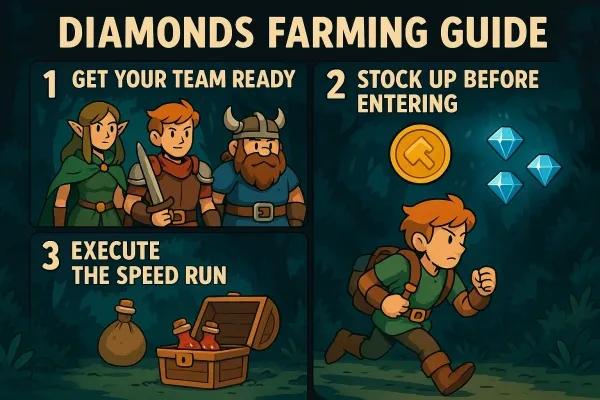
How to get more gems in 99 Nights in the Forest?
Here are practical, in-game ways to get more Gems (Diamonds) in 99 Nights in the Forest, explained in a clear and realistic way.
1. Redeem Promo Codes
The game sometimes releases promo codes that give free Gems. These codes are usually shared during updates or special events.
To redeem a code:
- Enter the game lobby
- Open the shop by clicking the diamond icon
- Go to the Codes section
- Enter the code and confirm
Codes are usually limited-time and one-use per account, so it's best to redeem them as soon as you see them.
2. Complete Daily Quests
Daily quests are one of the most consistent ways to earn Gems. They reset every 24 hours and usually involve normal gameplay tasks, such as surviving nights, collecting items, or interacting with the environment.
Most players make daily quests part of their routine because:
- The tasks are straightforward
- Rewards are guaranteed once completed
- No special timing or events are required
Over time, daily quests add up to a steady Gem income.
3. Earn Gems from Achievements and Badges
Some achievements and badges reward Gems when unlocked. These are often tied to milestones, exploration, or specific challenges.
You usually earn these naturally by:
- Playing through multiple nights
- Trying different game mechanics
- Reaching less common objectives
The rewards may be small, but they accumulate as you progress.
4. Take Advantage of Events and Updates
Occasionally, the game runs limited-time events or update sessions where extra Gems are available. These might include temporary bonuses or special activities tied to new content.
These events are not always predictable, but joining during update periods can sometimes be worthwhile.
5. Progress Through the Game Consistently
While Gems are not always dropped directly, progressing further in the game often unlocks quests, achievements, or systems that reward Gems indirectly.
In general, players who:
- Survive longer
- Explore more areas
- Engage with multiple game systems
tend to earn more Gems over time.
In short: the most reliable Gem sources are daily quests, promo codes, and long-term progression. None are instant, but together they provide a steady and realistic way to build up Gems through normal gameplay.
The Best Ways to Spend Gems in 99 Nights in the Forest
Here is a clear, practical guide to when it makes sense to spend Gems (Diamonds) in 99 Nights in the Forest, based on how most players progress through the game.
1. Spend Gems on Core Progression, Not Convenience
The best time to spend Gems is when they unlock something that affects every run, not just one session. Core progression options—such as permanent unlocks or class-related upgrades—tend to give lasting value.
In general, if a purchase:
- Changes how you play long-term
- Makes future runs more efficient
- Applies across multiple sessions
it is usually a better use of Gems than short-term boosts.
2. Unlock or Improve Classes You Actually Use
Classes are one of the most impactful areas to spend Gems. It is usually best to invest only in classes you plan to play regularly, rather than unlocking many options you rarely touch.
Most experienced players:
- Choose one or two main classes
- Spend Gems to unlock or improve those
- Avoid spreading Gems too thin early on
This approach leads to more consistent progress and fewer wasted resources.
3. Use Rerolls Only After You Understand the System
Rerolling talents or class options can be useful, but timing matters. Spending Gems on rerolls makes more sense after you understand what works for your playstyle.
Rerolls are usually worth it when:
- You already have a solid class
- The current roll limits your build
- You plan to play that class long-term
Using rerolls too early often leads to regret later.
4. Save Gems During Early Exploration
Early in the game, it is usually better to save Gems while you explore mechanics, enemies, and systems. Many early purchases feel helpful at first but lose value once you progress further.
Most players benefit from:
- Playing several runs before spending
- Learning what slows their progress
- Spending Gems only when a clear need appears
Patience often results in better long-term decisions.
5. Re-Evaluate After Major Updates
After major updates, balance changes or new content can shift what is worth buying. Saving Gems until you understand what has changed helps avoid spending on outdated options.
Waiting a short time after updates allows you to:
- See how new systems work
- Learn which upgrades matter most
- Spend Gems more efficiently
The best time to spend Gems is when they unlock permanent value, support a class you actively use, or improve long-term performance. Avoid impulse spending, save during early learning stages, and treat Gems as a limited resource meant for meaningful progression.
FAQs
1. Are Gems account-wide or tied to a single run?
Gems are account-wide. Once earned or obtained, they remain on your account and carry over between runs. This is why Gems are mainly used for permanent progression rather than short-term advantages.
2. Can Gems be lost if a run fails or a character dies?
No. Gems are not lost when a run ends, even if you fail early. Run outcomes affect temporary progress, but Gems stay safely on your account.
3. Do different classes earn Gems faster than others?
In general, no class directly increases Gem rewards. However, classes that help you survive longer or complete objectives more reliably may indirectly lead to more Gems over time through quests and achievements.
4. Is there a limit to how many Gems you can earn per day?
There is usually no hard daily cap on Gems, but practical limits exist. Daily quests, achievements, and events set a natural pace. Once those are completed, Gem income typically slows until the next reset or update.
5. Are Gems required to enjoy the game fully?
Gems are not required to play, but they do improve long-term progression. Most players can enjoy the core gameplay without spending Gems immediately, especially during early exploration.
6. Do Gems become more important in mid or late game?
Yes. As players progress, Gems become more relevant for refining builds, unlocking stronger classes, and optimizing performance. Early game focuses more on learning mechanics, while later stages reward smart Gem use.
7. Should new players save Gems or spend them early?
Most experienced players recommend saving Gems at the start. Playing several runs first helps you understand which upgrades or classes are actually worth the investment.
8. Do game updates affect the value of Gems?
They can. Balance changes, new classes, or system updates may change what is considered a good Gem investment. Many players wait briefly after major updates before spending, to avoid outdated choices.